Koh Phangan Temples: A Guide to the Island's Spiritual Sites
A practical guide to Koh Phangan's temples and cultural sites — from the hilltop white Buddhist wat above Thong Sala to the ornate Chinese shrine on the east-coast road. Where to go, what to expect and how to visit respectfully.
In this guide +
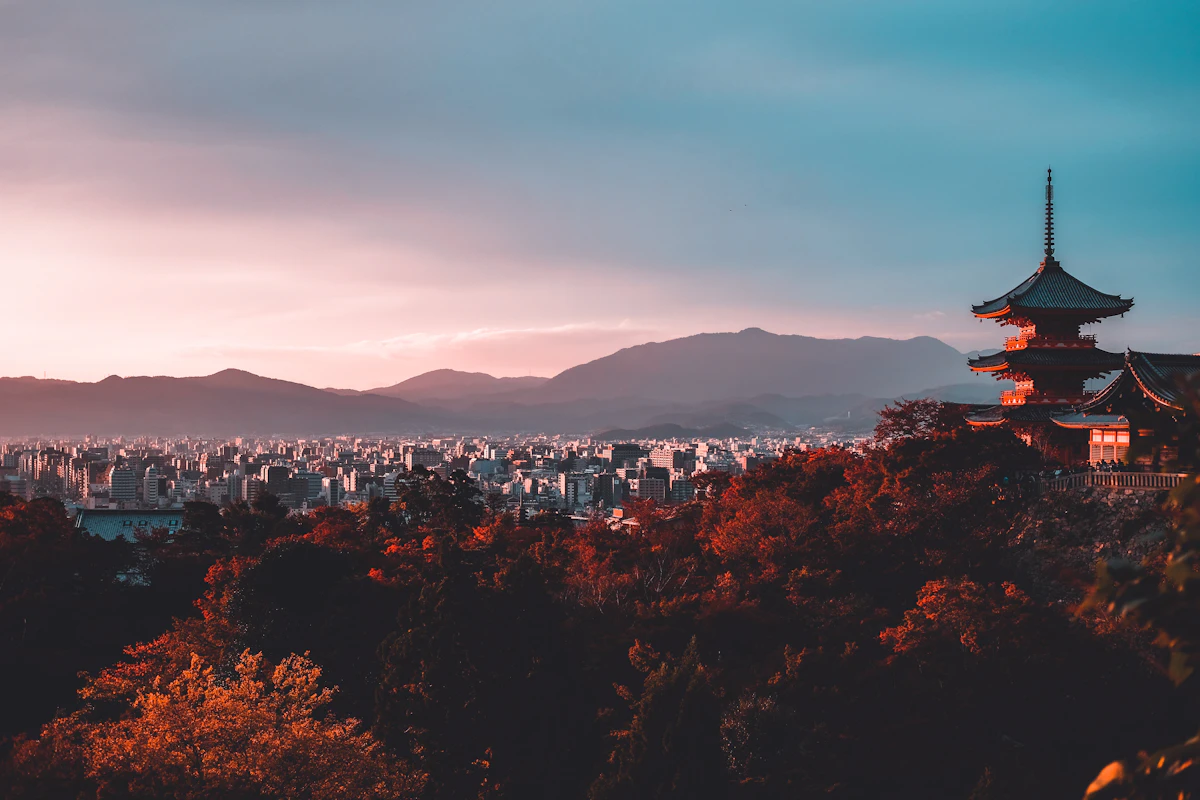
Koh Phangan's reputation rests on its beaches and parties, but the island has a quieter, older layer of religious and cultural life that most visitors walk past without noticing. Buddhist temples have anchored the island's communities for generations, their whitewashed spires visible above the palm trees on forested ridges across the south and east. A Chinese-Thai heritage runs alongside the Theravada tradition, most visible in the ornate red-and-gold Chinese shrine on the east-coast road. Visiting any of these sites costs nothing and takes an hour at most — an easy counterpoint to a beach day, and one of the more grounding experiences the island offers.
Wat Phu Khao Noi — the hilltop Buddhist temple above Thong Sala
Wat Phu Khao Noi sits on a forested ridge above Thong Sala, its white exterior standing out against the green hillside on the approach. As the most accessible Buddhist temple on the island, it is the natural first stop for anyone curious about Koh Phangan's spiritual life. Monks go about their daily routines in the compound, local families arrive to make offerings, and the pace is calm and unhurried — very different from the beach scene below.
The elevated position gives views south over the palm-lined coast and the bay, and the complex is compact enough to visit comfortably in under an hour. A scooter or songthaew from Thong Sala reaches the base in minutes. Visit in the early morning for the best light and the most intimate atmosphere; the compound is quietest before the day warms up.
Kuan Yin Temple — Chinese heritage on the east-coast road
On the east-coast road between Thong Sala and Thong Nai Pan, the Kuan Yin Temple makes an unexpected visual jolt: a gateway and roofline bright with red and gold, incense smoke curling from the courtyard, and the visual language of southern Chinese Buddhism transplanted to a Thai island. The temple is dedicated to Guanyin, the bodhisattva of compassion, and serves the island's Chinese-Thai community.
Worshippers come to light incense, make offerings and pray — it is a living place of devotion, not a museum. The contrast with the island's Thai Buddhist wats is striking: same broad tradition, very different expression. The east-coast road to Thong Nai Pan passes the temple, making it a natural stop on a loop of the island.
Wat Pho Steam Sauna — where wellness meets tradition
Near Ban Tai on the south coast, Wat Pho hosts one of the more unusual offerings on the island: a traditional Thai herbal steam sauna operated on temple grounds. The steam is infused with local medicinal herbs, following a long-standing Thai wellness tradition that predates the modern spa industry and sits firmly in the country's traditional medicine system.
The experience is a cultural encounter as much as a relaxation one, set against the backdrop of an active Buddhist temple. It makes a genuinely different alternative to a hotel spa — and an unusually affordable one. Dress modestly throughout the compound, remove shoes where indicated, and treat the sauna visit with the same quiet respect you'd give the temple itself.

Wat Khao Tham — the meditation retreat centre
Set in the forested hills of the island's interior, Wat Khao Tham is a Buddhist retreat centre known as a destination for serious meditation practice rather than casual sightseeing. It has hosted residential retreats drawing practitioners from across the world looking for an immersive, intensive experience in the Theravada tradition.
The centre is genuinely monastic in character — this is not a drop-in attraction. If a multi-day silent or Vipassana-style retreat is part of your plans on Koh Phangan, Wat Khao Tham is the first place to research. Check directly with the centre well in advance, as programmes fill and schedules vary by season.
Temple etiquette — what to know before you visit
A few consistent guidelines apply to every temple on the island. Shoulders and knees should be covered entering any compound — many temples have wraps or sarongs available if you arrive underdressed, but bringing your own is simpler and more respectful. Remove shoes before entering any hall or building; shoes left at the entrance signal where this applies. Keep voices low inside the compound. Avoid pointing the soles of your feet toward religious images or monks, as this is considered disrespectful in Thai culture.
Photography is usually fine in the outer compound grounds but check signage and take your cues from other visitors before photographing inside a hall. Donations are always welcome, never required. Most importantly, treat these as the living, active places of worship they are — they exist for the communities that use them, and visitors are guests.
Good to know
- What are the main temples to visit on Koh Phangan? +
- The most accessible is Wat Phu Khao Noi, a hilltop Buddhist temple above Thong Sala with views over the south coast — easy to reach and rewarding in under an hour. The Kuan Yin Temple on the east-coast road is the island's main Chinese Buddhist shrine, ornate and colourful. Near Ban Tai, Wat Pho runs a traditional herbal steam sauna on its temple grounds — an unusual combination of culture and wellness. Wat Khao Tham in the interior is known for residential meditation retreats rather than casual visits.
- Is there an entry fee for temples on Koh Phangan? +
- No — the Buddhist temples and the Chinese shrine are free to visit. Donations are welcome and appreciated. The herbal steam sauna at Wat Pho operates separately from the temple itself and charges a small fee for the sauna session.
- What should I wear to a Thai temple? +
- Cover your shoulders and knees before entering any temple compound. Loose trousers or a long skirt and a light shirt or top work well in the tropical heat. Some temples offer wraps or sarongs at the entrance if you arrive in shorts or a sleeveless top, but bringing your own is more reliable. Remove shoes at any hall entrance — look for footwear left outside as the sign.
- When is the best time to visit a temple on Koh Phangan? +
- Early morning — roughly sunrise to around 9 am — is ideal for most temples. The light is softer, the heat is manageable, and the atmosphere is more intimate, with monks going about their morning routines. Midday is hot and can feel rushed if there are tour groups. Avoid major Thai Buddhist holidays if you want a quieter visit, or seek them out if you'd like to see a temple at its most active.
- Can I visit a temple on Koh Phangan if I'm not Buddhist? +
- Yes. Thai Buddhist temples and the Kuan Yin Chinese shrine welcome visitors of all backgrounds, provided they dress modestly and behave respectfully. Simply follow the etiquette guidelines — covered shoulders and knees, shoes off at hall entrances, voices low — and you're welcome to walk around, observe and, if you wish, make a donation.
Last updated 21 July 2026 · places shown are real listings with live Google ratings.