Best Photography Spots on Koh Phangan — Sunsets, Views & Hidden Gems
From west-coast sunset beaches and jungle-canopy viewpoints to hilltop temples, a low-tide sandbar walk and royal waterfalls: the spots on Koh Phangan that reward a camera, and how to make the most of each.
In this guide +
Koh Phangan compresses an unusual variety of photogenic scenes into a small island. West-facing beaches where the sun drops into open water. A forested ridge that puts you above the tree canopy with views across the Gulf. Working Buddhist temples with carved stone and gold leaf. A sandbar that narrows to a pale strip connecting the beach to a tiny offshore island. Royal waterfalls with centuries-old inscriptions in the boulders. And the barefoot-bohemian visual world of the island's wellness village in Sri Thanu, with its painted signs, open-sided salas and sunset-gathering crowd at Zen Beach.
The challenge isn't finding something worth photographing — it's knowing which spots reward the extra effort, what kind of light each one needs, and how to reach the places the road doesn't easily take you to. This guide covers the strongest scenes on the island, from the obvious west-coast sunset lineup to the places most visitors drive past without stopping.
West-coast sunset beaches
The sun sets over the sea on the west coast — and nowhere else on Koh Phangan. That geographic fact concentrates the island's best evening light on the strip running from Hin Kong south of Sri Thanu up through Haad Chao Phao, Haad Yao and Haad Salad. Any of these beaches gives you a sea sunset; what varies is the foreground and the character.
Zen Beach in Sri Thanu is the island's best-known evening gathering spot: a compact bay where a low-key beach bar and the water's edge catch the light together as people naturally drift in to watch. Beachub, the bar on the sand here, gives you a wooden-and-palm-frond foreground against the horizon that photographs well in both the warm colour window and the blue-hour minutes after the sun drops. The scene is part of the appeal — silhouettes, the bar structure, the green hill behind.
Hin Kong, a short drive south of Sri Thanu, offers a different look: a wide low-tide sandflat that reflects the evening sky and extends across the middle distance. The tide creates constantly changing geometry and mirror-surface windows, which makes it a better beach for wide-angle and reflection work than for the concentrated people-and-bar composition at Zen Beach.
Haad Yao, further north, gives you more than a kilometre of open sand facing due west with a shallow offshore sandbar. It's the cleanest, most expansive canvas on the west coast — good for long-exposure work, for capturing the sky from one end of the frame to the other, and for shooting without large crowds. Barefoot Villas by Satori sits at the south end of Haad Yao and is one of the better-designed small resorts on this stretch of coast, worth knowing if you want to base near the sunset action.
Haad Salad, tucked between two rocky headlands further north, frames the sunset between natural rock formations on either side — useful if you want a compressed, framed composition rather than an open panorama. The bay is small and the crowd thin even in high season.
Elevated views — jungle ridge and the zipline platform
The island's forested interior spine gives Koh Phangan its best elevated vantage points, though most of them require some commitment to reach. Khao Ra, the highest point at roughly 627 metres, is accessible by trail and delivers views across the Gulf on clear days — but it requires a guide, a proper early start and current local advice on trail conditions, which change significantly between the dry and wet seasons.
For a guaranteed elevated view with less physical uncertainty, the zipline platform at Phangan Zipline Come Fly With Us — in the jungle hills above Sri Thanu and the west coast — puts you high in the canopy during a properly guided activity. The cables run above and through the tree canopy, and the higher platforms give you a bird's-eye perspective over the forest with the Gulf visible in the distance: a view that's genuinely hard to reach any other way without serious hiking. The compound and its tree platforms are visually distinctive on their own terms.
Informal road viewpoints also open up on the steep section between Sri Thanu and Chaloklum in the north, as the road climbs over the interior ridge. There are no facilities — just a narrow pull-off, a wall of jungle behind you and the bay below. Worth stopping if the weather is clear. The same road between Thong Sala and Haad Rin climbs over the island's southern ridge and delivers views from the roadside at its highest point.
Temples and cultural landmarks
Koh Phangan's temples offer a visual register completely different from the beach-and-jungle palette of the rest of the island: lacquered columns, white stupa against blue sky, carved naga serpents on balustrades, incense smoke in cool shade. Two in particular repay a camera.
Wat Phu Khao Noi sits on a forested ridge above Thong Sala, the island's main town. A short drive from the ferry pier, the approach climbs through trees to a compact working temple compound that delivers views over the south coast bay from its upper terraces. Most visitors staying in or passing through Thong Sala never make the short detour. The temple is genuinely active — monks and local worshippers carry out their routines here — and the atmosphere in the morning, before the day heats up, is quiet and unhurried. Best light arrives early, when the sun is still low enough to pick out carved detail on the white exterior without blowing it out. Entry is free; cover shoulders and knees, remove shoes at hall entrances.
The Chinese shrine — Kuan Yin Temple — near the coastal road gives you a completely different visual register: vivid red and gold, intricate carved figures of deities and animals, smoke from incense coils turning in the air. It photographs best when the light is angled rather than overhead, and the midday flatness you'd struggle with on an open beach is less of a problem here, where the colour and the incense atmosphere do most of the work. It's an active place of worship rather than a heritage attraction — the same courtesy rules apply.
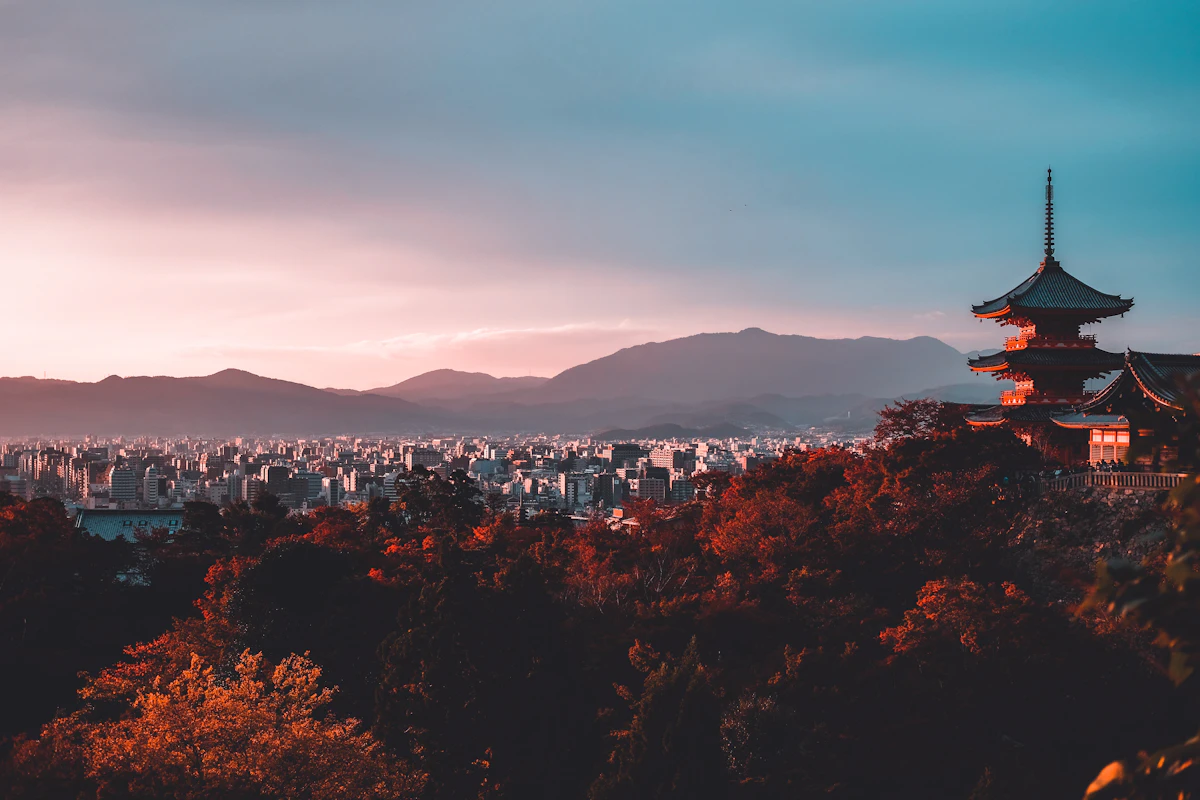
Wat Phu Khao Noi
A serene white-walled Buddhist temple on a forested hillside above Thong Sala.
Kuan Yin Temple (Chinese Temple)
A hilltop Chinese temple on Koh Phangan dedicated to Kuan Yin (Guan Yin), the goddess of mercy, with ornate red-and-gold pavilions.
The Mae Haad sandbar and Koh Ma
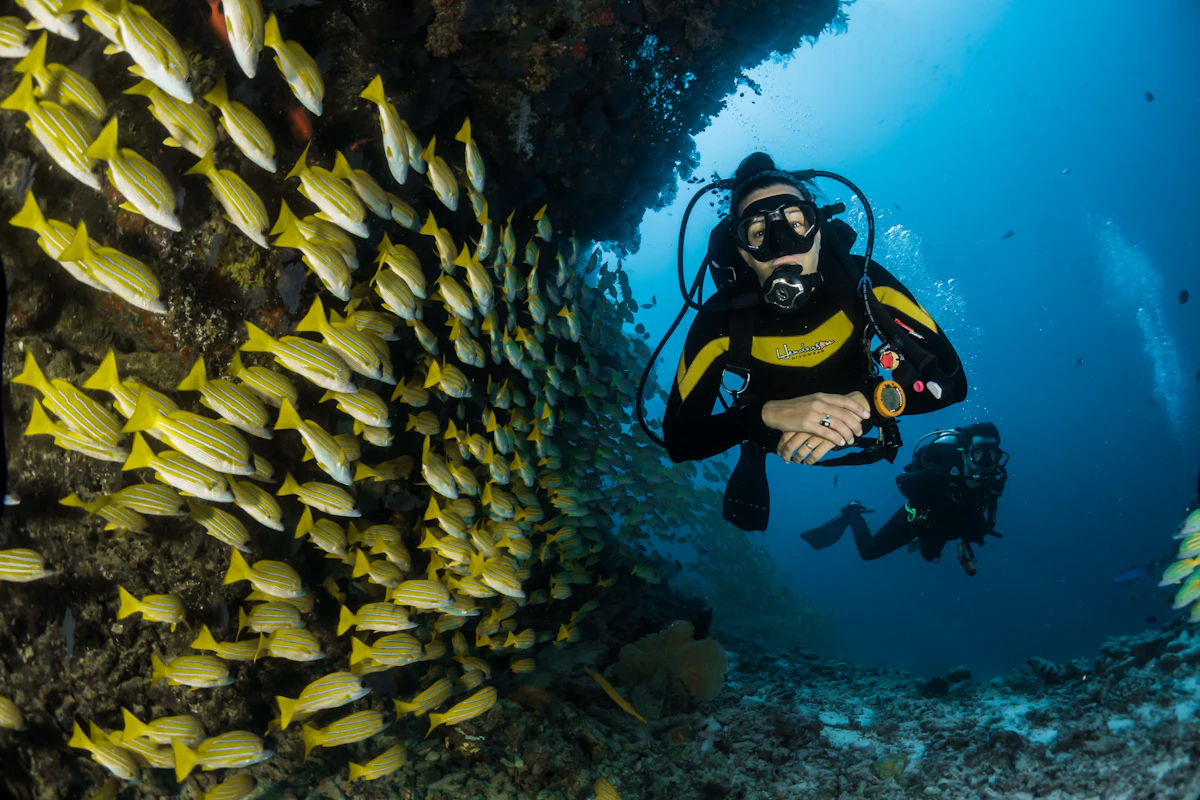
One of the most distinctive images from Koh Phangan is a narrow spit of pale sand connecting the northwest coast beach to a tiny forested offshore island. At low tide the sandbar at Mae Haad emerges and you can walk out across ankle-deep water on either side to reach Koh Ma — a few minutes' stroll with the Gulf stretching out on both sides of the path. The scene has an almost aerial quality from the beach: the white strip, turquoise shallows, and the green island rising ahead.
The sandbar is at its widest during low tide, and the light on the northwest coast is generally better in the morning before the sun moves high overhead. Local snorkel operators run trips that put you in the water around Koh Ma's protected reef — a marine zone with some of the healthiest accessible coral on the island, with good clarity in the dry season (roughly November through April). Underwater photography is genuinely viable here with basic snorkel gear and a waterproof housing, especially around the shallower sections of the reef that catch the light at mid-morning.
Waterfalls and royal river pools
Than Sadet on the east coast is Koh Phangan's most historically distinctive natural site and one of its more demanding to reach. The Than Sadet River descends from the forested interior to Haad Sadet beach, and along its banks — inside Namtok Than Sadet National Park — boulders carry royal ciphers carved by multiple Thai kings who made pilgrimages here. Those inscriptions, worn into the stone and still legible, sit alongside waterfall cascades and freshwater pools that are among the clearest swimming spots on the island.
For photography, the combination is genuinely rare: long-exposure waterfall shots with historically carved rock in the foreground, jungle-filtered light through the canopy, and a river that opens into a wide natural pool near where it meets the sea. The light in the valley is best in the morning before it moves directly overhead.
Getting there is part of the commitment — no proper sealed road reaches the beach, so you arrive by longtail from Haad Rin or Haad Yuan, or navigate a rough dirt track. The Than Sadet waterfall trek runs guided trips. The national park covers the river and falls area.

Sri Thanu's wellness village
For a different kind of visual world, Sri Thanu's wellness strip has its own distinct aesthetic — bamboo and hardwood practice platforms, hand-painted signs for ceremonies and cacao circles, the particular palette of wholefood cafes and healing centres. It's the part of the island that looks unlike anywhere else in the Gulf of Thailand, and it photographs differently from both the beach scenes and the jungle.
ETHOS Wholefood Cafe and Shala is one of the island's most visually coherent spaces: an open-sided latticed wooden structure with a food-and-juice menu that photographs well in natural light and a shala attached where classes run throughout the day. The cafe and its surroundings catch particularly good light from late morning through early afternoon. The broader Sri Thanu strip — cafes, healing centres, roadside shrines, the painted shacks — is best walked rather than driven, and photographed between sessions and classes when the spaces are open and the light is in.
The sunset-gathering crowd at Zen Beach is also worth noting here: the minutes before and after sundown bring a natural, unhurried assembly of people on the sand that documents well without any staging — one of the few places on the island where social photography doesn't feel extractive.
Practical tips: light, gear and getting around
The useful rule for Koh Phangan photography is straightforward: west coast for sunsets, east coast for sunrises, interior and temples in the morning before the light goes flat. The island is small enough that you can cover sunset on the west coast one evening and sunrise at Thong Nai Pan or Haad Yuan the next without long drives.
The light in the Gulf of Thailand is harsh from mid-morning through mid-afternoon in the dry season. Most outdoor photography benefits from starting early and breaking for a few hours mid-day. The wet season (roughly May through October) brings dramatic cloud formations and green, saturated jungle that shoots better than the drier months — the trade-off is shorter windows of clear light and less predictable beach conditions.
Getting around matters: most of the spots listed here require a scooter or hired car. The Than Sadet east coast involves a boat. The Mae Haad sandbar requires timing against tide schedules. Checking local tide times for the sandbar walk is worth the minute it takes — the sandbar appears only at low tide, and arriving to knee-deep water changes the shot significantly. Dive operators near Mae Haad will have current tide information.
For gear: waterproof housings and wide-angle lenses suit the sandbar and snorkelling. A polarising filter cuts glare significantly on the west-coast water. A tripod is useful for the waterfall long exposures at Than Sadet. Everything is available for rent at larger towns and dive centres — you don't need to travel with a full kit if weight or airline baggage is a concern.
Good to know
- Which beach is best for sunset photography on Koh Phangan? +
- Zen Beach in Sri Thanu is the island's most popular sunset spot and has a photogenic beach bar (Beachub) as foreground interest. Haad Yao is better for expansive, uncluttered compositions — more than a kilometre of open west-facing sand. Hin Kong's wide low-tide sandflat is the best option for reflection photography when the tide is right. All three are on the west coast, which is the only side of the island with sea sunsets.
- Where can I get an elevated view of Koh Phangan without a serious hike? +
- The zipline platform at Phangan Zipline Come Fly With Us in the hills above Sri Thanu is the most accessible high view on the island, reached as part of a guided zipline session rather than a solo hike. Informal pull-offs on the steep road between Sri Thanu and Chaloklum also give elevated views over the north coast bay. Khao Ra (the island's highest point) requires a guide, a proper early start and current trail conditions — ask locally before attempting.
- When does the Mae Haad sandbar appear? +
- The sandbar connecting Mae Haad beach to Koh Ma island appears at low tide and disappears as the tide rises. The timing shifts daily with the lunar cycle — check tide tables for the day you plan to visit, or ask at a dive shop or snorkel operator near Mae Haad, who will have current information. The sandbar is at its widest and most photogenic in the two to three hours around the lowest tide point.
- Is it acceptable to photograph inside temples on Koh Phangan? +
- Photography in temple grounds and outdoor areas is generally welcome, but follow the same respectful rules that apply everywhere: cover shoulders and knees before entering, remove shoes at hall entrances, keep voices low, and ask before pointing a camera at people, particularly monks. Inside prayer halls, some temples request no photography or no flash — read the room and follow any posted signs. Wat Phu Khao Noi and Kuan Yin Temple are both active places of worship, not heritage tourist sites, so the approach that works is to be quietly present first and a photographer second.
- What time of year is best for photography on Koh Phangan? +
- The dry season (roughly November through April) gives the clearest light, calmest sea and best underwater visibility — ideal for beach, snorkelling and sandbar photography. The wet or green season (May through October) brings dramatic cloud formations, vivid green jungle and lower tourist numbers, but shorter windows of clear light and less predictable beach conditions. Waterfall photography is better in and just after the wetter months, when the falls run at full volume. For general landscape work, the shoulder months at either end of the dry season often give the most interesting skies.
Last updated 27 June 2026 · places shown are real listings with live Google ratings.