Koh Phangan Photography Guide — Best Spots, Light & Tips
Where to find the island's best light: elevated viewpoints, sunrise bays, jungle waterfalls, and the underwater world — plus practical advice on timing, gear and respectful shooting.
In this guide +
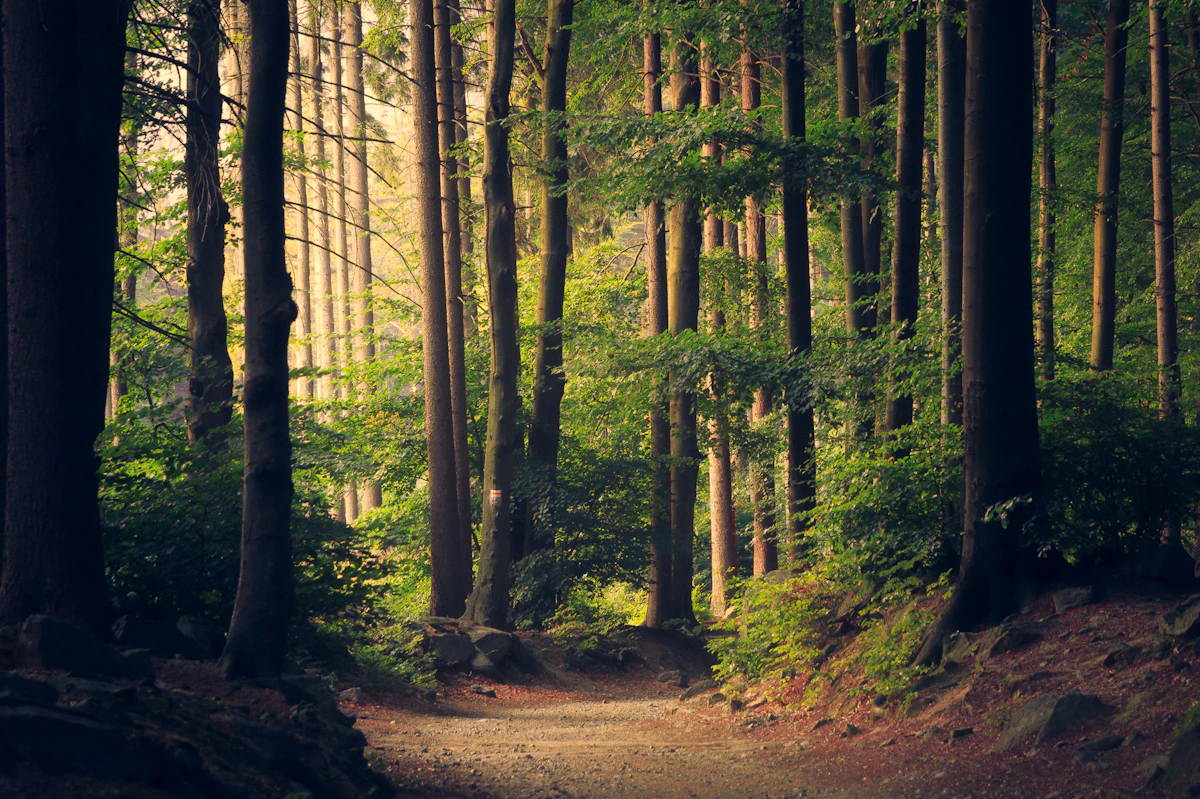
Koh Phangan is one of the most photogenic islands in Southeast Asia, but the best shots rarely come from the most-visited spots at midday. The island rewards anyone willing to move at the right time: dawn on the northeast bays when the sun climbs directly out of the Gulf, golden hour on the west coast when the sky goes pink above the forest, or midday in the jungle interior where diffused canopy light makes waterfalls look luminous rather than washed-out.
This guide covers the island's most photogenic locations by category — viewpoints, beaches, jungle, underwater — and explains why each works from a photographic standpoint. Suggested timings are tied to direction and season rather than a fixed clock, because tropical light shifts with the months and a west-coast sunset in December looks completely different from one in July. All locations here are real places on Koh Phangan; no fabricated distances or access fees are stated — verify current entry requirements and road conditions locally before setting out.
Elevated viewpoints — the island from above
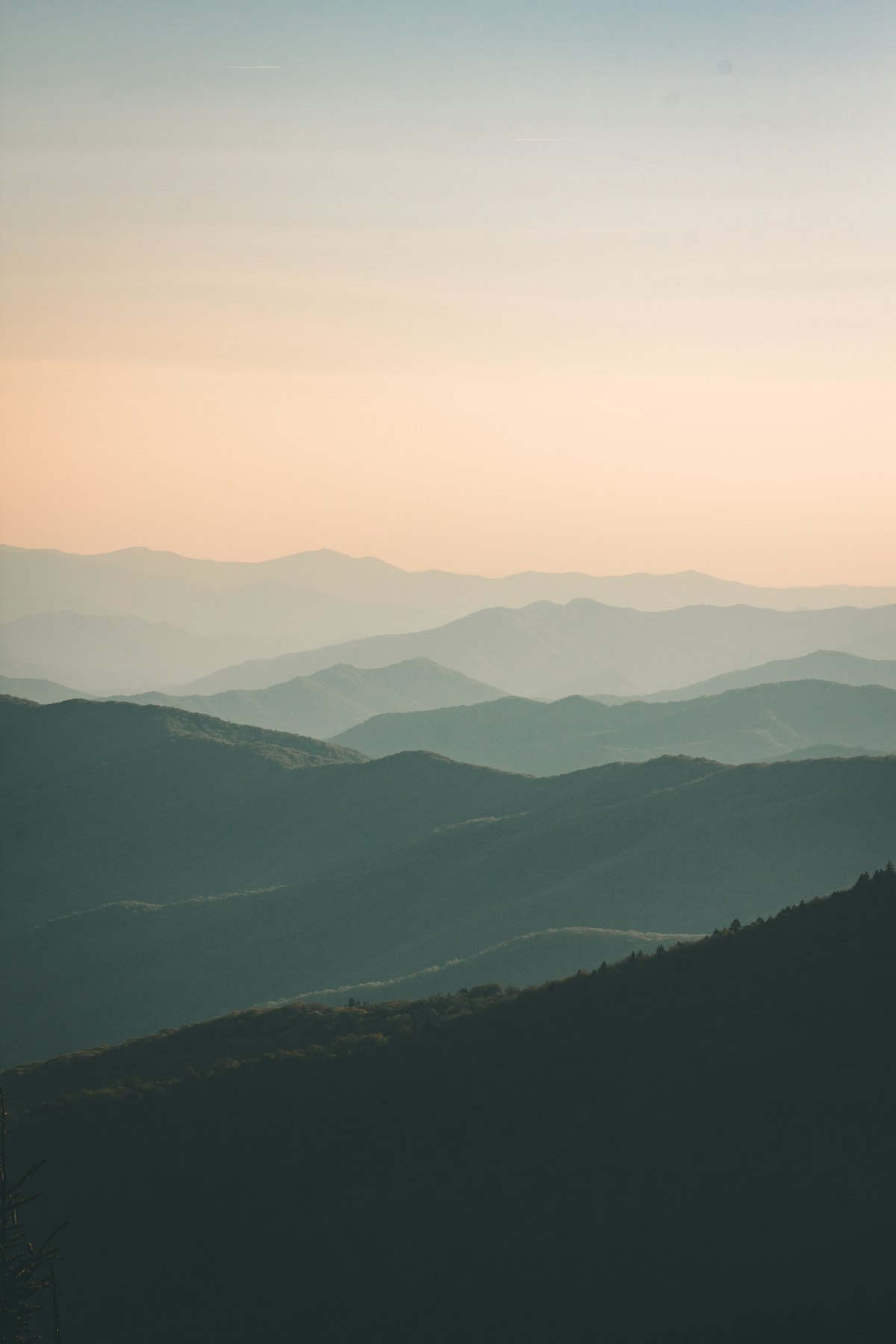
Koh Phangan's interior is a jungle-covered spine that rises to Khao Ra, the island's highest point at 627 metres. From the summit the view extends across the Gulf of Thailand in multiple directions — Koh Samui to the south, Koh Tao to the north, and the island's own patchwork of bays and forest below. The climb involves a trail through dense jungle and takes roughly two to three hours return, depending on fitness and conditions; wear proper footwear and bring water. Go early — the summit is clearest before midday heat builds haze over the water, and clouds begin collecting over the interior from late morning in the wet season.
Dom Sila, known informally as the Big Buddha Rock, is a more accessible alternative. A large boulder perched above the west coast offers an expansive western view that makes it one of the island's classic sunset positions. The light at Dom Sila drops toward the open Gulf rather than into a bay, so the horizon stays clear and the sun sets at sea — which reads very differently on camera from a beach sunset where the foreground is sand. Arrive well before sunset and move around the rock to find your composition before the light drops.
Beach photography — chasing the right light by coast
The island's coast divides into four photographic zones, each best at a different time of day.
Northeast coast (Thong Nai Pan Noi and Yai): these two horseshoe bays face northeast, which means the sun rises directly over the water in front of you. At dawn the sky reflects in the still surface of both bays before wind picks up — the classic Gulf-of-Thailand flat-water sunrise shot. The dense jungle backdrop frames the bays from behind and adds depth to any wide shot. Come the day before and scout your position from the beach at dusk to understand the horizon geometry.
West coast (Sri Thanu, Haad Yao, Haad Salad): the west-coast beaches face the open Gulf and deliver reliable sunset light from late afternoon onward. Secret Beach, reached by a short walk from the road above Haad Yao, is one of the smaller and more photogenic pockets on this coast — the rock formations at its edges catch warm light differently from an open bay. The rock shelf at the southern end of Haad Yao creates natural foreground interest for seascape shots.
South coast (Haad Rin, Ban Tai): Haad Rin faces southeast, which gives it good early-morning sidelight along the sand. The headland between the two Haad Rin beaches creates a natural frame. Avoid midday entirely — the flat southern exposure means harsh overhead light for several hours.
North coast (Chaloklum, Haad Khom): Chaloklum Bay faces north and photographs best in the diffused light of overcast days or the blue hour that precedes sunrise, when the water is glassy and the fishing village adds foreground interest. Haad Khom and Bottle Beach, accessible by boat or a dirt track from the north, reward photographers willing to make the effort — the relative seclusion means you are rarely shooting around other people.
Jungle, waterfalls and the interior
Tropical waterfalls are at their most photogenic in the weeks after significant rain, when flow is strong but the water is not yet brown from runoff. The island's two main waterfalls — Phaeng and Than Sadet — are accessible by scooter and a short walk, though the trails can be slippery after rain. For waterfall photography, overcast skies are ideal: the diffused light eliminates harsh shadows and allows a longer shutter speed for silky water without overexposing the sky. A neutral density filter is useful but not essential if you shoot in open shade.
Phaeng Waterfall sits within a national park area and is the easier of the two to reach. Its lower pool offers a clear view of the main cascade with jungle framing it on both sides. Than Sadet is more remote and historically significant — the waterfall stretches over a broad rock face rather than a single drop, which gives more compositional options and a different visual character. The trail to Than Sadet also passes through some of the island's densest old-growth forest, which offers its own subjects: light shafts through the canopy, ferns, and the occasional monitor lizard.
For a different perspective on the jungle interior, the zipline at Phangan Zipline gives you a bird's-eye view of the forest canopy that no trail walk can match — the sensation of moving through the trees at height gives a genuine sense of how dense and unbroken the interior is.

Phaeng Noi Waterfall
Koh Phangan's most accessible jungle waterfall with a natural pool below.

Than Sadet Waterfall Trek
Jungle hike to royal waterfalls and natural rock pools.
Phangan Zipline - Come fly with us
A jungle adventure park on Koh Phangan offering ziplines, sky bridges and rock climbing with panoramic views over the island's hills and coastline.
Underwater and snorkelling photography
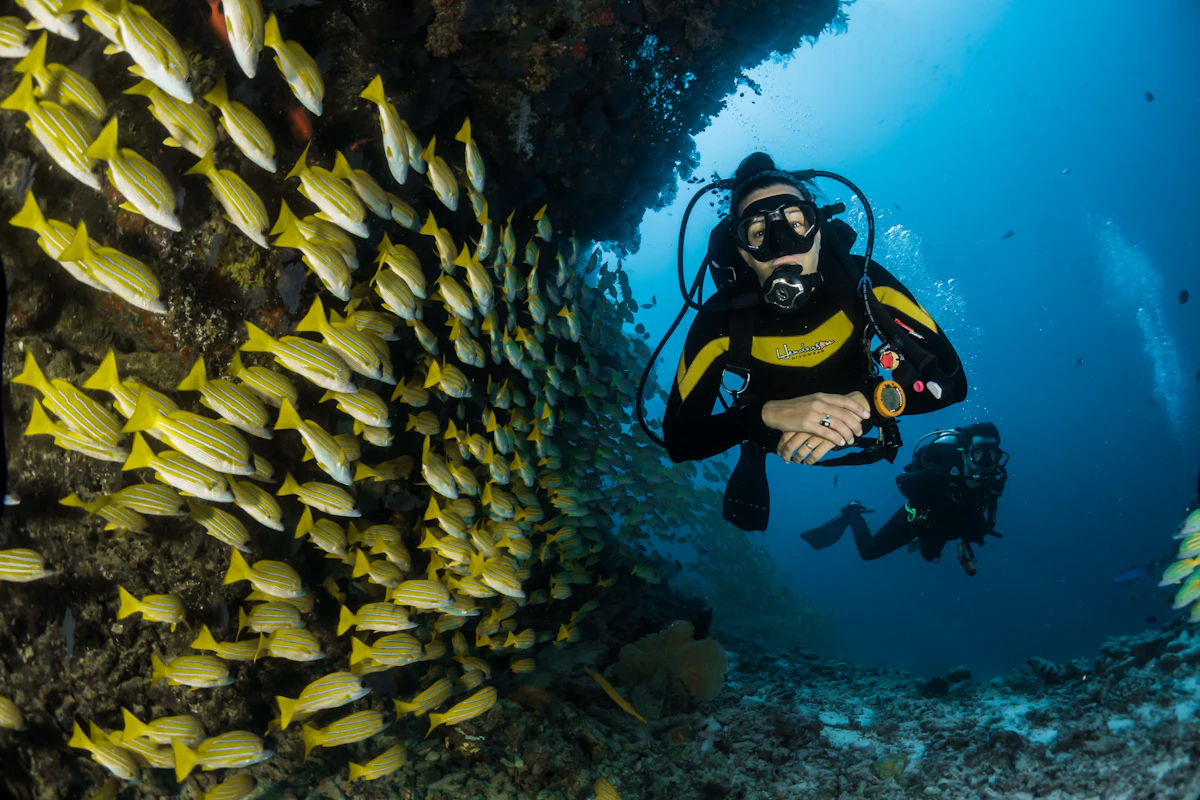
The Gulf of Thailand around Koh Phangan has several snorkelling and diving sites where underwater photography is rewarding: Koh Ma in the northwest (accessible by a sandbar crossing at low tide), the boulders and coral at Sail Rock offshore, and the dive sites around Chaloklum on the north coast. For snorkelling-depth photography, a waterproof action camera or a housing-equipped phone is sufficient for close shots of coral and fish in the shallower reef zones.
For serious underwater photography, diving with a guide from Chaloklum Diving or Blue Horizon Diving gives access to the deeper sites where the larger marine life concentrates. The best ambient light for underwater photography is typically between mid-morning and early afternoon when the sun is high enough to penetrate depth without the hard angles of a low sun, but deep enough not to create lens flare. Natural light underwater diminishes with depth and is absorbed quickly at the red end of the spectrum — for anything beyond five metres, a strobe or video light produces significantly truer colours than relying on ambient alone.
Koh Ma's sandbar, accessible at low tide, is particularly good for wide-angle shots at the waterline — the sandbar itself frames the distant jungle and creates an unusual perspective that is genuinely difficult to replicate elsewhere on the island.
Koh Ma Snorkel & Sandbar Tour
Walk the famous sandbar and snorkel the island’s best reef.
Chaloklum Diving
Chaloklum Diving is a PADI dive school and scuba operator in Chaloklum on the north coast of Koh Phangan.
Blue Horizon Diving
Blue Horizon Diving is a scuba diving and snorkeling center in Mae Haad on the northwest coast of Koh Phangan.
Temples, culture and the built environment
Koh Phangan has a number of Buddhist temples that reward early-morning visits when monks conduct alms rounds, the light is soft, and the compounds are quiet. Wat Phu Khao Noi, on a hill above Thong Sala, is one of the most accessible and overlooks the main town and harbour — the elevated position gives it compositional interest beyond the temple buildings themselves. Wat Khao Tham on the north coast has a more secluded forest setting. Dress modestly at any temple (shoulders and knees covered, shoes removed before entering buildings), and ask permission before photographing monks or ceremonies. The rule for respectful photography at any religious site: photograph the place and the light, not the people, unless you have a clear indication that it is welcome.
The weekly markets at Thong Sala (the night market runs several evenings per week, the walking street on Sundays) offer a different set of subjects: food stalls, vendors, crowds and artificial light. For market photography, a lens that performs well at high ISO is more useful than a fast prime at maximum aperture — the depth of field required to capture a busy stall in context is wider than a portrait shot, and shutter speed to freeze motion takes priority. Street food scenes light themselves; use the vendor's own illumination rather than flash, which flattens texture and startles people.
Practical tips — gear, timing and local considerations
The single most important preparation for photography on a tropical island is protecting your gear from humidity and salt. Silica gel packets in your camera bag, a dry bag for beach shoots, and a UV filter on every lens reduce the most common causes of damage. Tropical humidity accelerates fungal growth inside lenses — if you're staying for several weeks, run the air conditioning in your room for an hour a day with the camera bag open.
Golden hour in the tropics is shorter and closer to the horizon than in temperate climates: the sun moves steeply rather than obliquely, so the warm window before and after sunset lasts perhaps twenty to thirty minutes rather than the extended golden periods familiar from northern latitudes. Scout locations before the light arrives so you're not still setting up when the best colour passes.
For drones: Thailand requires registration and a permit for commercial drone flights, and flying over national parks, over people and near airports carries restrictions under civil aviation regulations. Recreational drone use in remote areas without people nearby is less formally restricted in practice, but the rules exist and enforcement has increased in tourist areas. Research current regulations with the Civil Aviation Authority of Thailand and check whether the specific area you intend to fly is within a restricted zone before bringing your drone out.
On respectful photography: ask before photographing locals, particularly at temples and markets. Offering to show someone their portrait afterward is a genuine gesture and often opens rather than closes the interaction. The wellness community in Sri Thanu and the retreat scene generally request that participants do not photograph or record during ceremonies and sessions — a norm that should be taken seriously and not negotiated around.
Good to know
- What is the best time of day for photography on Koh Phangan? +
- The hour after sunrise and the hour before sunset give the best natural light on the island — soft, directional and warm. The exact quality varies by season: the dry northeast-monsoon months (November to April) deliver cleaner skies and more reliable golden hours, while the wetter months produce dramatic cloud formations and colourful skies that can be equally photogenic. Midday light in the tropics is flat and harsh; reserve it for shaded jungle scenes and underwater work where direction matters less.
- Where are the best sunrise spots on Koh Phangan? +
- The northeast coast is the island's sunrise coast. Thong Nai Pan Noi and Thong Nai Pan Yai face northeast across open water, so the sun rises directly from the sea in front of you. Both bays are at their most photogenic in the calm before the wind picks up. Haad Rin on the southeastern tip also catches early light and has more accessible beach access if you're staying in the south.
- Where are the best sunset spots on Koh Phangan? +
- The west coast delivers the island's most reliable sunsets. Dom Sila viewpoint above Haad Salad, Secret Beach near Haad Yao, and the open beaches of Haad Salad and Haad Chao Phao all face west across the Gulf of Thailand. Sri Thanu's community beachfront is another popular position. The summit of Khao Ra, when clear, offers a 360-degree panorama that includes both the morning and evening light — but the timing for a sunset descent requires advance planning.
- Can I fly a drone on Koh Phangan? +
- Thailand has civil aviation regulations that apply to drone flights, including registration requirements and restrictions near populated areas, national parks, and airports. Recreational flights in open, unpopulated rural areas are generally less problematic in practice, but the rules do exist and have been increasingly enforced in tourist zones. Check the current regulations with the Civil Aviation Authority of Thailand before you bring a drone, and always verify that your intended location is not within a restricted airspace zone.
- Is underwater photography possible on Koh Phangan? +
- Yes. The snorkelling reefs at Koh Ma in the northwest and the dive sites around Sail Rock and Chaloklum are suitable for underwater photography. For snorkelling depth, a waterproof housing for a smartphone or an action camera is sufficient. For diving-depth sites, a strobe or video light significantly improves colour accuracy below a few metres where ambient light is limited and skewed toward blue-green. Chaloklum Diving and Blue Horizon Diving both run guided dive trips to the main sites.
- What photography gear should I bring to Koh Phangan? +
- Protect against humidity first: silica gel packets, a dry bag for beach use, and UV filters on lenses. Beyond that, versatility beats specialisation — a standard zoom for beach and culture shots, a wide angle for landscapes and interiors, and a macro or close-focus lens if you want to capture the island's plant and insect life. A small travel tripod is useful for waterfall long-exposures and low-light temple shots. If you shoot video, a neutral density filter is more useful here than almost anywhere else — the tropical sun makes achieving cinematic exposures very difficult without one.
Last updated 24 July 2026 · places shown are real listings with live Google ratings.